


Spray Drying: Dryer Types, Advantages and Applications
 Nov 28, 2025|
 View:916
Spray dryinghas become one of the most versatile and widely used drying methods in modern industry. Whether you’re talking about instant coffee, milk powder, pharmaceuticals, ceramics, or even bioactive materials, spray drying technology plays a massive role in transforming liquids into powders efficiently and reliably. But what exactly is spray drying? How does a spray dryer work? And why do so many industries rely on it?
This comprehensive guide walks you through the history, working principles, advantages, applications, dryer types, and everything else you need to know. Let’s dive in and make this complex topic simple and highly digestible—pun intended.

History of Spray Drying
Spray drying is not a new concept. In fact, the earliest versions of this process appeared as early as the late 19th century, when inventors began experimenting with ways to convert milk into stable powder for long-distance shipping. Back then, the process was crude, slow, and far from efficient.
However, everything changed in the 1920s and 1930s, when industrial designers improved atomization methods and airflow control. By the mid-20th century, spray drying was already becoming the backbone of the dairy industry.
Fast forward to today, and the technology has evolved into a sophisticated, high-precision process used across pharmaceuticals, chemicals, food, and advanced material industries. Modern spray drying technology supports large-scale production, heat-sensitive materials, and even encapsulation of functional ingredients.
The rise of automation, advanced sensors, and energy-efficient heating systems has turned spray drying into one of the most reliable and scalable drying solutions worldwide.

How spray dryers work
At its core, a spray dryer transforms a liquid feed into a free-flowing powder by rapidly removing moisture through evaporation. But let’s break the process down so it feels less like engineering jargon and more like something you can visualize.
Step 1: Liquid Feed Preparation
The material (milk, extract, chemical solution, emulsion, etc.) is prepared and homogenized to ensure consistent results.
Step 2: Atomization
The liquid is converted into tiny droplets using:
Rotary atomizers
Pressure nozzles
Two-fluid nozzles
These droplets greatly increase surface area, allowing moisture to evaporate almost instantly.
Step 3: Drying in Hot Air
A stream of hot air enters the drying chamber. When the droplets meet this airflow:
Moisture evaporates rapidly
Solids solidify into particles
The product transforms from liquid to powder in milliseconds
It’s essentially like turning mist into dust instantly.
Step 4: Powder Collection
Cyclone separators, bag filters, or electrostatic collectors remove dried particles from the airflow.
Step 5: Packaging or Further Processing
Once the powder is collected, it can be:
Packaged
Agglomerated
Mixed with other ingredients
This entire cycle is continuous, making spray drying ideal for large-scale operations.
What are the types of spray dryers?
Spray dryers come in different shapes, sizes, and designs depending on the product, scale, and production needs. Let's explore the major categories.
1. Single-Effect Spray Dryers
These are the simplest and most common. They rely on one drying stage and are widely used for food and chemical products.
2. Multi-Stage Spray Dryers
These dryers combine spray drying with secondary drying (fluid bed, vibratory bed).
They offer:
Better control
Lower moisture content
Improved powder quality
3. Rotary Atomizer Spray Dryers
Perfect for large-scale production.
They use a rotating disk that spins at high speeds to disperse droplets.
4. Pressure Nozzle Spray Dryers
Great for heat-sensitive or viscous liquids.
They atomize liquids under high pressure.
5. Closed-Cycle Spray Dryers
Used for flammable, toxic, or oxygen-sensitive products.
They operate in a nitrogen or inert gas environment.
6. Laboratory Spray Dryers
Small, compact, and designed for R&D or pilot scale.
Common in universities and pharmaceutical labs.
7. Fluid Bed Integrated Spray Dryers
Combine drying, cooling, and agglomeration—ideal for instant powders like coffee and creamer.
Each type of dryer supports different applications, but they all rely on core spray drying technology to deliver uniform and high-quality powders.
What is spray drying used for?
Spray drying is used wherever a liquid needs to be converted into a stable, easily transportable, and long-lasting powder. It has become indispensable in industries that require:
Rapid drying
Heat-sensitive processing
Consistent particle size
Stable product quality
Some common sectors include:
Food & beverages
Pharmaceuticals
Chemicals
Ceramics
Biotechnology
Cosmetics
Environmental engineering
From protein powders to catalysts, spray-dried products surround us every day.
How is spray drying used for food processing?
The food industry is one of the biggest users of spray drying technology. Why? Because it offers speed, safety, and excellent nutrient retention.
Here’s how spray drying makes magic in food manufacturing:
1. Milk Powder Production
Spray drying ensures long shelf life and easy transportation, making milk powder a global commodity.
2. Coffee and Tea Extraction Powders
Instant coffee exists thanks to spray drying. The process captures aroma, flavor, and color remarkably well.
3. Flavor and Fragrance Encapsulation
Microencapsulation protects flavors from oxidation and heat degradation.
4. Protein and Nutritional Powders
Whey, plant proteins, and nutritional supplements rely heavily on spray drying for stability and solubility.
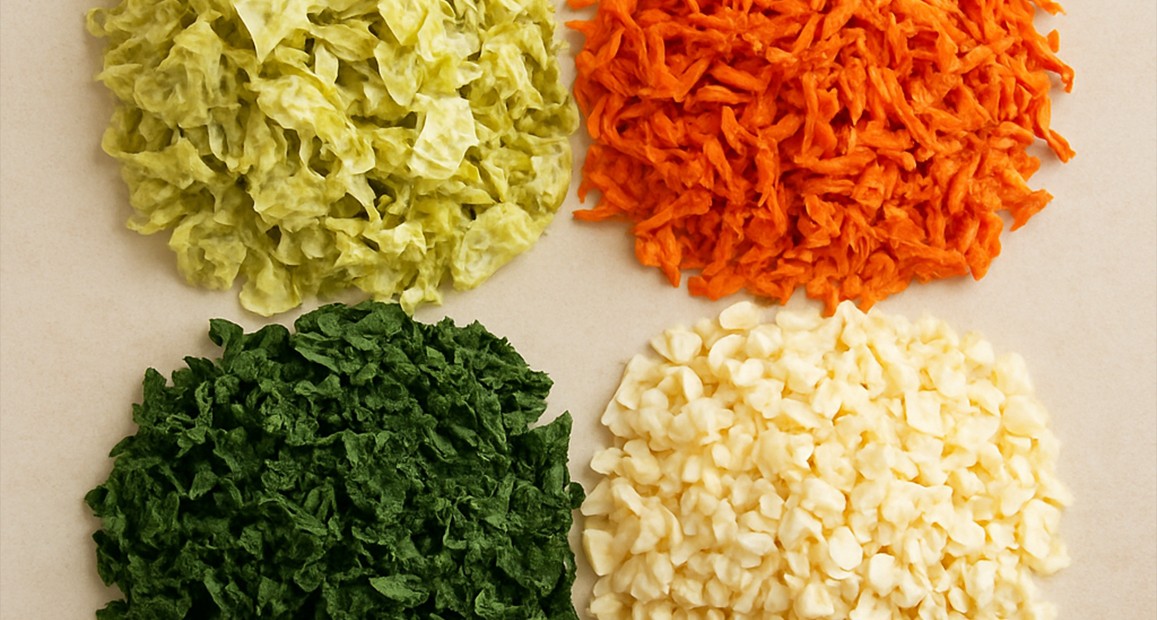
5. Fruit and Vegetable Powders
Perfect for smoothies, bakery, and health supplements.
6. Emulsions and Food Additives
Colors, stabilizers, antioxidants, and enzymes are often spray dried for easier handling.
If you drink coffee, use seasoning blends, or consume any nutritional powder… you’re already benefiting from this technology every day.
What are the advantages of spray drying?
Spray drying is one of the most powerful industrial drying systems for a reason—actually, several reasons.
1. Fast Drying
Evaporation occurs within milliseconds, making it ideal for heat-sensitive materials.
2. Uniform Particle Size
Produces fine, free-flowing powders suitable for mixing, packaging, and dissolving.
3. Excellent Product Stability
Powders have longer shelf life and improved storage stability.
4. High Nutrient Retention
Minimal thermal damage preserves flavors, vitamins, and bioactives.
5. Continuous Operation
Supports large-scale, nonstop production.
6. Clean and Hygienic
Closed systems reduce contamination risks.
7. Versatility
Handles dairy, pharmaceuticals, chemicals, bio-materials, and more.
8. High Solubility
The resulting powders dissolve easily—perfect for instant beverages.
Simply put, spray drying offers speed, quality, and consistency unmatched by most other drying methods.
What are the industrial applications of spray dryers?
Spray dryer systems are found in nearly every major industrial sector. Let’s highlight the most important ones.
Food Industry
Dairy
Instant beverages
Spices & seasonings
Nutritional powders
Pharmaceuticals
APIs (Active Pharmaceutical Ingredients)
Antibiotics
Vitamins
Controlled-release powders
Chemical Industry
Catalysts
Resins
Dyes & pigments
Polymers
Ceramics & Materials
Metal oxides
Battery materials
Ceramic powders
Cosmetics
Fragrance encapsulation
Bioactives
Skincare ingredients
Environmental Engineering
Sludge drying
Wastewater treatment by-products
Spray drying has become one of the few technologies capable of meeting modern demands for purity, efficiency, and scalability.
What are the disadvantages of spray drying?
Although powerful, spray drying isn’t perfect. It comes with limitations worth considering.
1. High Energy Consumption
Heating air requires significant power, especially for large dryers.
2. High Initial Investment
Industrial spray dryers are expensive to purchase and install.
3. Some Materials Are Not Suitable
If the feed is too viscous or contains large particles, atomization becomes difficult.
4. Powder Loss
Cyclone and filter systems may lose fine powder if poorly designed.
5. Not Ideal for Sticky Materials
High sugar or oil content can cause deposits on the chamber walls.
Despite these challenges, the benefits often outweigh the drawbacks—especially for high-value or heat-sensitive products.
How to make spray drying viable for your business?
Thinking of investing in spray drying technology? Here’s how to ensure success:
1. Choose the Right Dryer Type
Match the dryer to your product’s:
Viscosity
Temperature sensitivity
Required particle size
2. Optimize Feed Preparation
Homogenization, viscosity control, and pre-heating improve efficiency and product quality.
3. Work With Skilled Technicians
Spray drying is part science, part craft. Skilled operators prevent:
Overheating
Clogging
Powder loss
4. Choose Energy-Efficient Systems
Modern dryers include:
Heat recovery systems
Efficient nozzles
Smart controls
These reduce costs dramatically.
5. Maintain Equipment Regularly
Clean chambers, unclog filters, and monitor nozzles to prevent downtime.
6. Partner With a Quality Manufacturer
As you rightly pointed out, a high-quality spray dryer can operate reliably for decades, whereas inferior equipment poses significant contamination risks. Choosing a dependable partner is crucial, and Changzhou Shinma Drying Engineering Co., Ltd. stands out as a trusted supplier in this field.
Specializing in drying engineering, the company has independently developed energy-efficient spray drying equipment with heat recovery technology, which holds national invention patents and substantially reduces operational costs. Meticulously engineered with easy-to-clean, dead-angle-free spray systems, Shinma's equipment fully complies with GMP standards, effectively eliminating cross-contamination risks. Furthermore, backed by a comprehensive quality management system and strongcustom fabrication capabilities, Shinma provides professional turnkey solutions for chemical, food, pharmaceutical and other industries, ensuring your spray drying investment delivers sustainable long-term returns.
Conclusion
Spray drying has come a long way since its early days. Today, spray drying technology powers industries worldwide, offering speed, efficiency, and precision. From food to pharmaceuticals to advanced materials, spray dryers help businesses transform liquids into high-value powders with ease.
Understanding how spray dryers work, the types available, and the advantages and disadvantages helps you make informed decisions—whether you're optimizing an existing facility or planning new production capabilities.
One thing is clear: as demand for high-quality powdered ingredients continues to grow, spray drying will remain one of the most essential processing technologies on the planet.
FAQs
1. What is the main purpose of spray drying?
To quickly convert liquid feed into a stable powder using hot air and atomization.
2. Does spray drying damage nutrients?
Not significantly. Because drying is extremely fast, most vitamins and bioactive compounds are well preserved.
3. What industries use spray dryers the most?
Food, pharmaceutical, chemical, ceramics, cosmetics, and biotechnology industries.
4. Is spray drying expensive to operate?
Energy consumption is high, but modern energy-efficient systems help reduce operating costs.
5. What type of spray dryer should I choose?
It depends on your product's characteristics, production volume, and quality requirements.
6. Can heat-sensitive products be spray dried?
Yes. Because the evaporation rate is extremely fast, the actual product temperature remains relatively low.


