Vacuum Belt Dryer vs Spray Dryer: How to Choose?
 Aug 04, 2026|
 View:153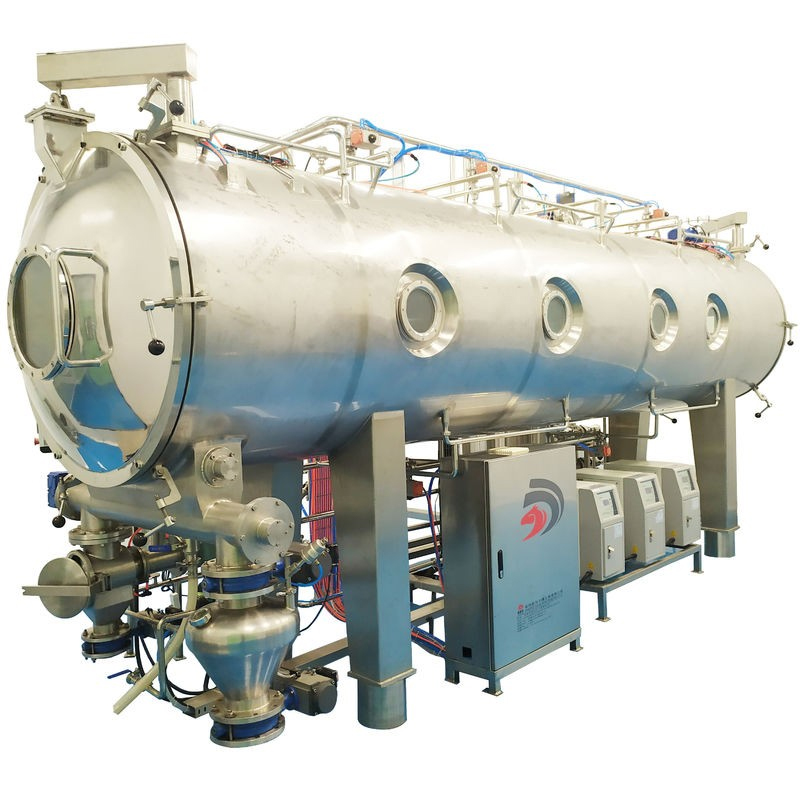
You need the best dryer to fix product quality. Pick a vacuum belt dryer for hot-sensitive feeds. Use it for thick or sticky plant extracts. It saves the active items inside the product. Pick a spray dryer for big, fast jobs. It turns thin liquid feeds into fine dust. Spray dryers evaporate liquid very fast. Vacuum systems protect safe, heat-sensitive compounds. Shinma knows how to build both dryer types. We give true facts about each drying method. Read the main points below for your investment.
Parameter | Vacuum Belt Dryer Characteristics | Spray Dryer Characteristics |
|---|---|---|
Operating Temperature | Low heat level (30°C–80°C) | High heat level (150°C–250°C) |
Material Viscosity | Thick, gooey, and sticky feeds | Thin to medium pumpable liquids |
Particle Form | Crisp bits, granules, or flakes | Even micro-fine soft powder |
Heating Mechanism | Touch heating from hot plates | Direct hot air moving around |
Air Handling Volume | Needs very little air movement | Needs very big air movement |
Solvent Recovery | Easy, direct way to collect | Hard, complex way to collect |
Key Takeaways
This protects delicate vitamins and herbal compounds.
They dry thick and sticky liquids easily.
These liquids will not clog machine parts.
Spray dryers quickly turn thin liquids into powder.
They work well for making large amounts.
Vacuum dryers save up to half the heat energy.
They use less heat than fast spray dryers.
Vacuum dried granules dissolve very fast in liquids.
They dissolve faster than tiny spray powders.
Working Principles of Each Drying Technology

Learn how dryers turn liquid into solids. Each machine uses a special drying method.
How a Vacuum Belt Dryer Works
A vacuum belt dryer heats items safely. You pump liquid onto moving belts. The belts stay inside a vacuum space. Hot plates warm the belts directly. Water boils fast at low heat. Low pressure makes this happen quickly.
Parameter | Operating Specification |
|---|---|
Vacuum Pressure Range | 1–100 mbar |
Standard Temperature Range | 30–150°C (adjustable) |
Low-Temperature Range | 30–60°C (for heat-sensitive products) |
These dryers move items through warm areas. You change settings without burning anything.
How a Spray Dryer Works
A spray dryer uses hot air. You spray liquid into a chamber. Sprayers make tiny droplets with huge surface areas. Small drops dry fast in seconds. Bad spraying makes big droplets instead. Big drops need more drying time. They leave wet powder behind often.
Parameter Type | Standard Conditions | Heat-Sensitive Materials |
|---|---|---|
Inlet Air Temperature | 200°C – 250°C | Lowered to 150°C – 180°C |
Outlet Air Temperature | N/A | Maintained below 80°C |
Fast spray dryers make powder very quickly.
Thermal Impact on Active Ingredients
Heat control keeps delicate active items safe. Fast drying uses very hot air. High heat ruins fragile vitamins and proteins.
Vacuum drying stops heat damage completely. Low pressure lowers water boiling points. This method avoids harsh heat stress. Efficient dryers protect your sensitive materials well. You save active items with smart choices.
Material Suitability and Viscosity
Check feed items before picking machinery. Fluid traits affect how machines work. Thickness, sugar levels, and heat limits alter final yields.
Tip for Plant Engineers: Thick, sticky liquids need special heat paths. Match fluid traits to heaters. This stops clogs and stops damage.
Handling Thermolabile Compounds
Heat-sensitive items need gentle heat areas. High heat breaks down soft biological items. Extra heat ruins good active parts fast.
The table below shows safe heat limits for delicate items:
Target Nutrients | Maximum Thermal Limit | Impact of Exceeding Threshold |
|---|---|---|
Enzymes, Vitamins, and Polyphenols (Antioxidants) | 42 °C (107.6 °F) | Big permanent harm, lost life traits, and destroyed parts |
Old units often burn safe items. Hot air in a spray dryer ruins fragile items. Fluid sprayers also need thin feeds to make tiny drops.
The table below lists fluid limits for spray nozzles:
Atomizer / Nozzle Type | Maximum Feed Viscosity Limit (cP) |
|---|---|
Pressure Nozzle | 300 |
Rotary Atomizer | 30,000 |
Two-Fluid Nozzle | 50,000 |
Special pulse dryers take thick pastes up to 3,000–5,000 cP. But pumping thick fluids builds pressure and causes clogs.
A vacuum belt dryer fixes heat and thickness issues. It handles thick, sweet goo without nozzle clogs. Low pressure boils water at low heat. This preserves real flavor and good items. These units keep goods moving under critical heat limits.
Processing High Sugar and Fat Extracts
High sugar and fat bring hard physical problems. Small sugars have low glass state points. Hot air softens these sugars quickly. Soft sugars turn sticky and cling to walls.
The table below shows why sugars fail in dryers:
Phenomenon | Property Type | Physical/Thermal Cause | Underlying Mechanism | Outcome |
|---|---|---|---|---|
Wall Sticking | Interfacial Adhesion | Heat levels stay above Tg + 20 °C. | Solids change to soft rubber. Goods stick to walls. | Lost goods, wall buildup, and bad heat damage. |
Agglomeration | Particle-Particle Cohesion | High heat traits and wet sugar traits. | Moving particles form wet bridges between small bits. | Lumped bits, hard clumps, or thick paste. |
Sticky items need close control. Hot methods force extra carrier powders. Additives lower pure traits and raise costs.
Vacuum dryers do not need heavy powder mix. Low heat cools moving layers through quick vapor growth. Items form hard shapes without wall stick. You can dry sweet plant mixes and milk products easily. Shinma builds belt units for thick fruit pastes. You get high output without frequent hand cleaning.
Product Form and Particle Characteristics
Dry product shapes change how buyers use items. Pick machines based on desired particle shapes.
Granules and Flakes vs Fine Powders
A vacuum belt dryer forms porous, crisp sheets. Low heat boils liquid away under low pressure. Gentle vacuum drying expands product shapes slowly. You can break sheets into coarse bits or flakes. This gentle drying leaves small holes inside particles.
A spray dryer makes small round dust instead. Fast sprayers shoot liquid drops into hot air. Quick drying sets tiny drops in seconds. This fast process forms smooth micro-fine powders.
Engineering Insight: Shinma adds special breakers to belt machines. You can change screen settings easily. Make particle sizes from 20 to 120 mesh.
Equipment Type | Typical Output Form | Particle Density | Internal Structure |
|---|---|---|---|
Vacuum Belt Dryer | Granules, flakes, or coarse particles | Low to Medium | Highly porous with internal micro-voids |
Spray Dryer | Uniform micro-fine dust | Medium to High | Dense, compact solid spheres |
Solubility and Flavor Preservation
Machine choices alter quick melting and raw flavors. Porous bits from vacuum units soak cold liquids fast. Water moves through inner paths quickly. This open structure speeds up melting in instant drinks.
Low drying heat saves real taste items well. Gentle vapor traps fresh smell parts inside solids. You stop heat burns and guard soft plant scents.
A spray dryer ruins soft plant smells in hot air. High heat ruins faint plant flavors fast. Fine dust forms hard lumps in water too. Small dust bits need more stirring time.
New plants pick special dryers to ensure quality. Shinma builds custom units for top quality powders. You get great color, true flavor, and fast melting.
Production Capacity and Operational Efficiency
You must check long-term costs when buying machines. Big plants need fast work and smart heat use. Both dryers help you make more goods every day.
Throughput Scale and Energy Consumption
Big jobs need fast water drying. Large spray dryers move lots of liquid every hour. Hot air moves fast to dry big liquid loads. But blowing tons of hot air burns lots of power.
A vacuum belt dryer uses hot plates to dry. Heat moves through belts in a closed space. Low pressure needs less heat to boil water. Heat goes into goods without warming extra air. So, vacuum dryers save 30% to 50% heat energy. You save power and still make lots of goods.
Equipment Investment and ROI
Machine choices change your start costs. A spray dryer costs less to buy first. Low prices help plants with simple jobs. But running these machines costs more over time. Hot air blows away good smells and active items.
A vacuum dryer costs more money at first. Vacuum pumps and steel tanks raise starting prices. But fast sales help you win back costs quickly. Vacuum units save active items and stop wall stick. You sell top goods for higher prices. Shinma builds custom dryers to save your long-term money.
Vacuum Belt Dryer Advantages and Selection Guide
Picking good tools builds long profits. Compare machine benefits before buying.
Cold, steady runs help hard lines. A vacuum belt dryer stays closed tight. No outside air touches items inside. This setup traps good liquids with cold pipes. You collect costly alcohols easily and fully.
Smart tools lower hard hand work. Auto scrapers and belt washers stop manual cleanups. You save worker cash on thick feeds. Old units need workers to scrape stickiness.
Choose tools based on feed facts. Pick fast sprayers or soft heat.
Ideal Applications for Belt Dryers
Pick a vacuum belt dryer for heat-labile items. Soft plant extract tasks need gentle drying. This shields key oils, polyphenols, and flavonoids. Cold vacuum stops heat damage in extracts. TCM plant tools save raw smells and colors.
APIs need low heat vacuum units too. You dry soft drug items without harm.
Sweet foods and special milk turn out better. Sweet malt and fruit paste dry without sticking. Low boiling heat keeps paste moving smoothly. You make light bits without carrier powders.
Ideal Applications for Spray Dryers
Pick a spray dryer for big, thin liquid jobs. Big chemical lines dry huge mineral mixes fast. Flash heat turns thin liquids into dust quickly. Fast drying handles huge batches in seconds.
Selection Tip: Big liquid loads do not force hot air use. Check fluid thickness, solid counts, and heat rules first.
A spray dryer fits thin, easy fluids best. Large milk plants make standard powders fast. You get huge output for low starting cash. Simple feeds turn into even dust quickly. Pick sprayers for big capacity at low costs.
Engineering Parameter Checklist
Check clear facts before buying tools. Match feed traits to final dust needs. This steps list shows clear machine perks.
Follow these practical review steps now:
Measure fluid thickness and solid levels.
Find safe heat limits for active parts.
Test alcohol collection needs for extractions.
Pick target bit size and density.
Set needed output per hour.
Check plant rules for food and drugs. Clean tool designs keep goods safe and pure.
Standard Category | Compliance Requirements & Specifications |
|---|---|
General GMP Demands | Needs smooth surfaces and non-reactive parts. Demands clear clean tests and constant checks. Needs full operational files and safety controls. |
FDA Qualification Stages | Requires DQ, IQ, OQ, and PQ steps. Demands accurate record keeping throughout. |
Sanitary Materials & Design | Uses 316L steel for main contact areas. Features PTFE belts and fine polished steel. Uses sloped floors and clean seals. |
Automation & 21 CFR Part 11 | Needs safe user access and audit trails. Demands safe digital batch record files. |
Shinma offers deep engineering skill for custom tools. Shinma builds full GMP and FDA units. Test your raw items in Shinma's clean lab. Pilot tests prove dry speeds and output rates. Shinma tunes belt speeds and heater zones. Working with experts brings long, safe tool life.
You pick a good dryer by checking three main things. First, look at heat limits. Next, check fluid thickness. Last, check final shapes. A spray dryer costs less money at first. It handles big jobs with thin liquids fast. But delicate, warm-sensitive items need soft, cool care.
Pilot Testing Tip: Plant bosses can test raw items in Shinma's clean lab before buying.
A vacuum belt dryer gives huge yields and top quality for soft extracts. These vacuum dryers save active items well. They keep fast melting traits. They form light bits without burning. Our pros run smart tests on special tools for your line.
FAQ
Which dryer preserves active ingredients better in herbal extracts?
You save active ingredients best with a vacuum belt dryer. Low heat stops damage. You protect sensitive parts like vitamins, enzymes, and flavonoids well.
Key Takeaway: Soft vacuum drying shields delicate biological active parts from heat.
Can you recover organic solvents during the drying process?
Yes! You collect solvents easily with a closed condenser system.
Direct cooling traps vapor well.
Sealed designs stop unsafe gas leaks.
A spray dryer needs hard, costly setups to collect solvents.
How do you choose the right dryer for sticky high-sugar products?
Pick a vacuum belt dryer for sticky feeds. Low heat stops sugars from melting on walls. You get steady output without adding extra carrier powders.