


Vacuum Belt Dryer Working Principle and Process Parameters
 Oct 16, 2026|
 View:132
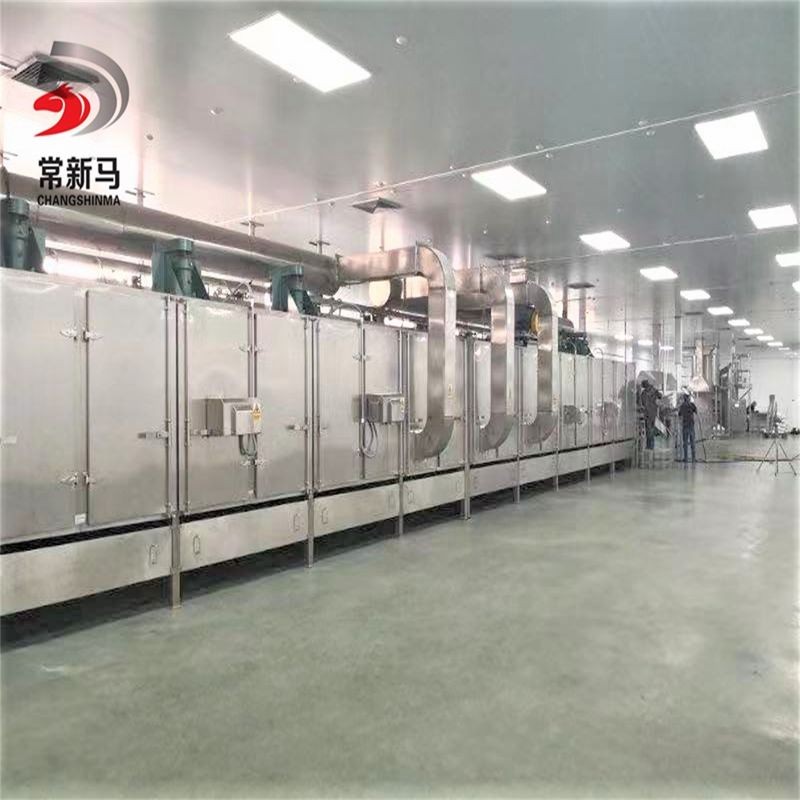
A Vacuum Belt Dryer dries liquid or paste materials nonstop under low pressure. It spreads them on a moving belt, so the solvent can evaporate at lower temperatures.
This article explains how this equipment works, step by step. It then details the key process parameters that determine performance and product quality.
The working principle covers vacuum creation, material feeding, heating, evaporation, vapor condensation, and discharge. The process parameters include:
Vacuum level
Heating temperature
Belt speed
Feed rate
Condenser temperature
Each parameter affects drying efficiency, product quality, and energy consumption. Typical ranges and practical effects follow for each one. Understanding these factors helps operators optimize drying performance effectively.
Key Takeaways
A vacuum belt dryer dries materials at low temperatures, which protects products that are sensitive to heat.
Important settings like vacuum level, temperature, belt speed, feed rate, and condenser temperature control how well the drying works.
Operators can improve drying by balancing these settings to get fast, high-quality results.
Shinma's vacuum belt dryers give custom options for many industries, ensuring gentle and continuous drying.
Working Principle of Vacuum Belt Dryer
Vacuum and Feeding
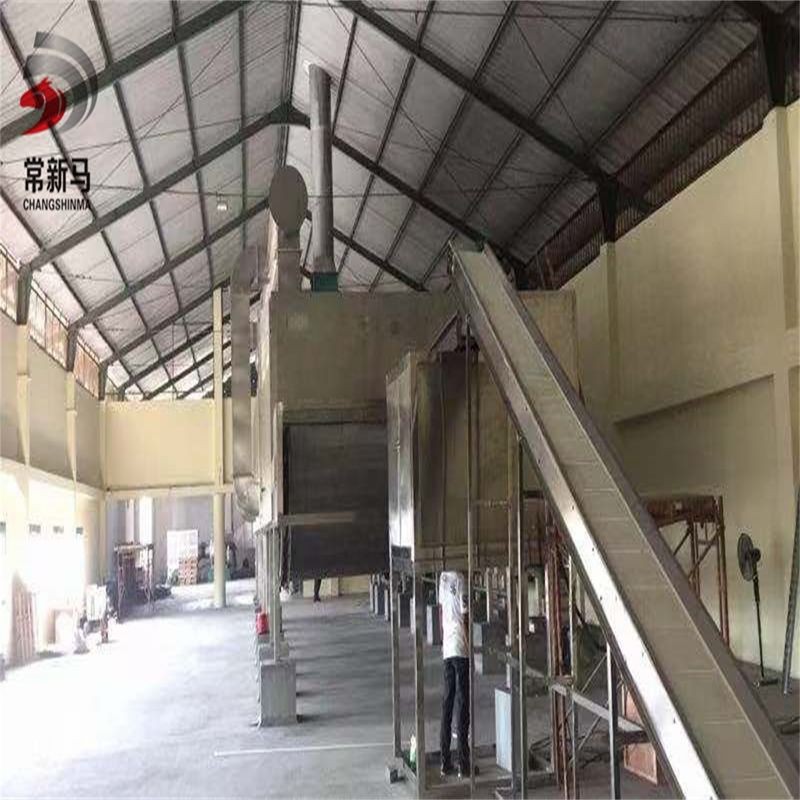
A vacuum pump removes air from a closed cylindrical chamber. This creates a low-pressure space inside the Vacuum Belt Dryer. The system keeps this vacuum going during the whole drying process. A vacuum dryer with a vacuum pump can pull the chamber down to 2 mbar. Its working pressure range is 2–1000 mbar. An ejector system version can reach a minimum working pressure of 50 mbar or lower. That system can get down to an absolute pressure of 20 mbar in the working chamber. Its operating range is 20–1000 mbar. For vacuum belt dryers, the vacuum level usually stays between 1 and 100 mbar. This low pressure lets drying happen at gentle temperatures. It stops heat damage to sensitive materials.
Material goes into the chamber through a screw metering pump. This pump controls the flow rate exactly. A cloth motor then spreads the material evenly onto the moving conveyor belt.
According to the Vacuum Belt Dryer documentation, the material is first fed into the dryer's vacuum chamber by a screw metering pump. It is then uniformly distributed onto the conveyor belt by the cloth motor.
This two-step feeding system makes sure the layer is even across the belt width. Even spreading is key for steady drying.
Heating and Discharge
Inside the chamber, the material moves over heated plates. These plates sit inside a multi-zone drying tunnel. The vacuum setting lowers the boiling point of water. So evaporation happens at gentle temperatures. Heating temperatures usually range from 30°C to 145°C. As the material passes through each heating zone, moisture slowly evaporates. The system cools the dried product afterward. It then makes the material brittle and turns it into powder. Key settings you can adjust include belt speed, layer thickness, drying temperature, and vacuum degree. Together, these control how fast evaporation happens and the final product quality.
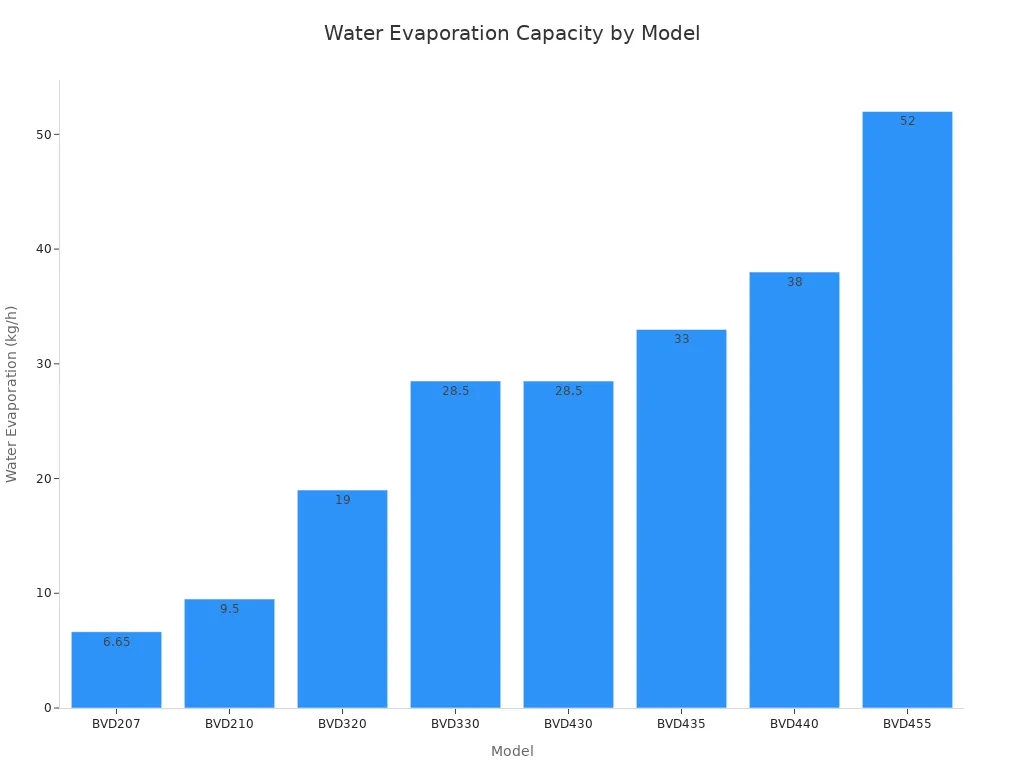
Model | Layers (zones) | Evaporation area (m²) | Water evaporation (kg/h) | Heating temp. range (°C) | Vacuum range (Pa) |
|---|---|---|---|---|---|
BVD207 | 2 | 7 | 5.6–7.7 | 30–145 | 1000–5000 |
BVD210 | 2 | 10 | 8–11 | 30–145 | 1000–5000 |
BVD320 | 3 | 20 | 16–22 | 30–145 | 1000–5000 |
BVD330 | 3 | 30 | 24–33 | 30–145 | 1000–5000 |
BVD430 | 4 | 30 | 24–33 | 30–145 | 1000–5000 |
BVD435 | 4 | 35 | 28–38 | 30–145 | 1000–5000 |
BVD440 | 4 | 40 | 32–44 | 30–145 | 1000–5000 |
BVD455 | 4 | 55 | 44–60 | 30–145 | 1000–5000 |
The condenser takes care of vapor removal. Moisture and solvent vapor move through the vacuum system to the condenser. The condenser cools the vapor and turns it back into liquid. This step recovers water, organic solvents, and process liquids. Good condensation keeps the vacuum environment steady. It also helps recover solvents so they can be used again.
After drying, the product goes into a cooling section. This step lowers its temperature before discharge. Cooling stops moisture from being absorbed and helps it store better. The finished product may be powder, flakes, thin sheets, or granular material. It leaves the chamber on its own. The full working sequence is: material feeding, vacuum chamber, heating zones, moisture evaporation, condensation, cooling, and discharge.
The number of conveyor belt layers inside the vacuum chamber can be customized. It ranges from 1 to 10 layers, adjustable based on what the user needs.
Key Process Parameters
Vacuum and Temperature
Vacuum level and heating temperature work as a team. They control the boiling point of the solvent and how fast it evaporates. A deeper vacuum makes the boiling point lower. Water boils at 100°C under normal pressure. Under vacuum, it boils at much lower temperatures. This keeps heat-sensitive materials safe from damage.
A stronger vacuum also makes drying faster. The solvent molecules leave the material surface more easily. The Vacuum Belt Dryer reaches its target moisture level sooner. However, a very deep vacuum makes equipment costs and energy use go up. Operators must find the right balance for each product.
Heating temperature drives how fast drying happens. Higher temperatures push moisture out of the material faster. But too much heat can break down active ingredients, change color, or harm flavor. The table below shows typical ranges for both parameters.
Parameter | Range Categories |
|---|---|
Heating Temperature | Below 60°C |
Heating Temperature | 60–80°C |
Heating Temperature | 80–100°C |
Vacuum Level | Below 1 Torr |
Vacuum Level | 1–5 Torr |
Vacuum Level | Above 5 Torr |
Heat-sensitive products like vitamin C or herbal extracts need temperatures below 60°C. More stable materials can handle 60–80°C or even 80–100°C. The vacuum level follows a similar idea. A vacuum below 1 Torr works for very delicate products. A range of 1–5 Torr works for many pharmaceutical and food items. A vacuum above 5 Torr fits materials that can handle higher temperatures.
Belt Speed and Feed Rate
Belt speed sets how long the material stays inside the chamber. A slow belt gives the material more time to dry. A fast belt moves product through quickly. The right speed depends on the material's starting moisture and the target final moisture. Operators adjust belt speed to match the drying curve of each product. A speed that is too fast leaves wet spots. A speed that is too slow wastes energy and may over-dry the product.
Feed rate and layer thickness affect how evenly drying happens. A screw metering pump controls how much material enters the chamber. The cloth motor spreads it evenly across the belt. A thick layer traps moisture inside. The surface dries first, and the bottom stays wet. A thin layer dries faster and more evenly. But a thin layer lowers throughput. Operators must balance thickness against production goals.
The feed rate must match the belt speed. If the pump pushes material faster than the belt can carry it, the layer becomes too thick. If the pump runs too slow, the belt runs partly empty. Both cases waste capacity and hurt product quality.
Condenser temperature plays a key role in solvent recovery. The condenser cools vapor back into liquid. A lower condenser temperature captures more solvent. This improves recovery efficiency and keeps the vacuum system stable. A higher condenser temperature lets some vapor escape. That lowers recovery and may overload the vacuum pump. Operators watch condenser temperature closely to keep the system balanced.
Optimizing Performance with Shinma
Parameter Optimization Tips
Operators can get better drying results by balancing heating temperature with vacuum level. The goal is to protect the product while keeping throughput steady. Some materials can handle 80–100 °C under vacuum for short periods. Others need much lower temperatures. If the temperature is too low, the evaporation rate drops. The process must be tuned rather than minimized.
Adjustable heating zones let operators create drying curves for each product. Each zone is set up around the product's changing condition: initial evaporation, intermediate drying, final drying, and cooling. The number of zones, temperature profile, belt speed, and drying time all depend on the product. Typical heating control temperature ranges from 40–125 °C. Drying time is usually 30–60 minutes. Final moisture can be reduced to below 4% in suitable applications.
Operators should also adjust belt speed to match feed rate. If they don't match, it causes thick layers or empty belt sections. Both waste capacity and hurt product quality. Watching condenser temperature ensures proper solvent recovery and keeps the vacuum system stable.
Common issues have clear solutions. If the product turns too dark, reduce thermal exposure and check the temperature profile. If final moisture varies, stabilize vacuum and improve feed control. If the product sticks to the belt, check spreading thickness and adjust heating zones.
Shinma's Vacuum Belt Dryer Solutions
Shinma offers the Low-Temperature Vacuum Belt Dryer with Continuous Drying System. This equipment handles heat-sensitive materials gently. It preserves active ingredients and physical characteristics. The system features automatic operation, precise temperature control, and continuous production. It uses high-quality stainless steel construction in SUS304, SUS304L, SUS316, and SUS316L grades. Evaporation capacity ranges from 450 to 1200 kg/h. Full CIP coverage and PLC systems ensure reliable performance.
The Vacuum Belt Dryer serves many industries. Pharmaceutical applications include Chinese herbal extracts, vitamin C, and antibiotics. Food applications cover tea powder, condiments, and instant drinks. Chemical uses include enzymes, flavors, and surfactants. Environmental applications handle activated sludge treatment.
Shinma provides a 10,000-class clean laboratory for material testing. Customers can send materials to verify optimal dryer design. The company holds ISO9001 and ISO14001 certifications. Shinma serves a global customer base with end-to-end support.
A Vacuum Belt Dryer puts liquid or paste material on a moving belt inside a low-pressure chamber. The solvent evaporates at gentle temperatures. Five process parameters control performance:
Parameter | Typical Range |
|---|---|
Vacuum level | 1–100 mbar |
Heating temperature | 40–125°C |
Belt speed | Product-dependent |
Feed rate | Matched to belt speed |
Condenser temperature | Low enough for full recovery |
Operators can raise the vacuum to lower the boiling point. They should set belt speed to match feed rate. Watching condenser temperature ensures proper solvent recovery. A skilled manufacturer like Shinma helps customize each unit for specific materials and production goals.
FAQ
What materials work best in a vacuum belt dryer?
This equipment works well with heat-sensitive liquids and pastes. Pharmaceutical items like herbal extracts and antibiotics are a good fit. Food products such as tea powder and instant drinks also work well. Chemical materials including enzymes and surfactants dry effectively. Environmental uses cover activated sludge treatment.
How long does the drying process take?
Drying time usually takes 30 to 60 minutes. The exact time depends on the material's starting moisture, target final moisture, and the product's drying curve. Operators adjust belt speed to control how long the material stays inside the chamber.
Can the system recover organic solvents?
Yes. The condenser cools vapor back into liquid form. This step recovers water, organic solvents, and process liquids. A lower condenser temperature captures more solvent and keeps the vacuum system stable.
How many conveyor belt layers does the dryer use?
The vacuum chamber holds 1 to 10 conveyor belt layers. The layer count can be adjusted based on what the user needs. More layers increase the evaporation area and boost capacity without making the chamber footprint bigger.
Does the dryer offer automated cleaning?
Yes. The system provides full CIP coverage. This feature allows cleaning-in-place without taking things apart by hand. PLC systems manage the cleaning cycle along with temperature, vacuum, and belt speed control.

