


Vacuum dryer for food
 Sep 09, 2026|
 View:455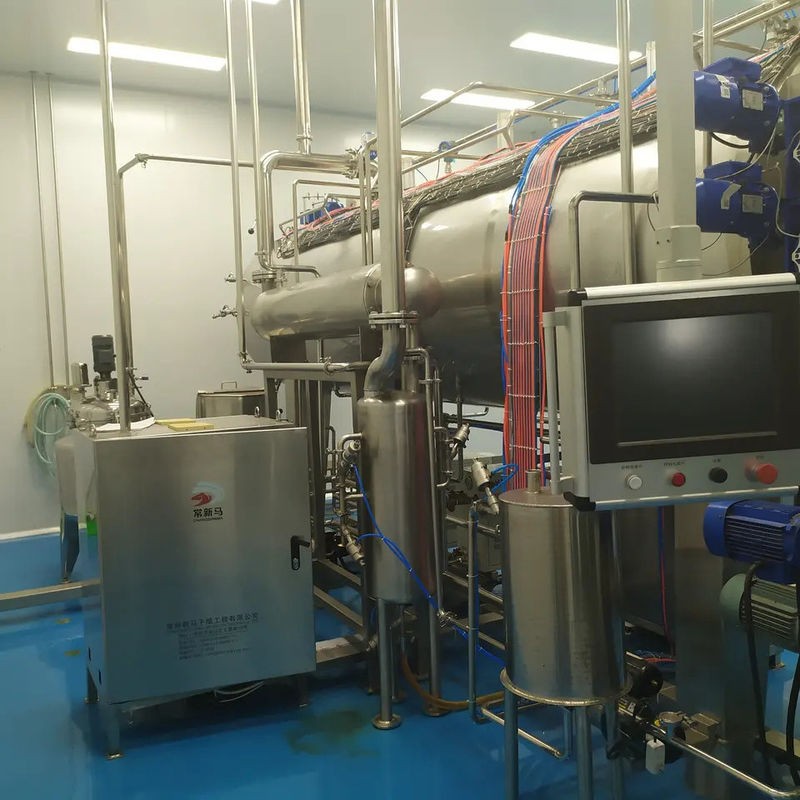
Imagine drying fruits and herbs while keeping their natural flavor. A vacuum dryer for food makes this possible by pulling out moisture under low pressure. This gentle, low-heat process protects delicate ingredients, keeping nutrients, color, and texture better than hot air drying. It also works faster than freeze drying.
You might ask how big this industry is. The global food vacuum drying machine market is expected to hit US$ 1.27 billion by 2023, showing a rising need for soft preservation methods.
This article explains how a vacuum dryer works, shows a proven tray dryer option from Shinma, and helps you pick the right equipment for your needs.
Key Takeaways
Vacuum dryers remove water at low temperatures. They keep nutrients, color, and flavor better than hot air drying.
This method keeps 90-97% of vitamins, while hot air drying can lead to 40-60% loss.
Vacuum drying uses less energy and works faster than hot air drying, which lowers operating costs.
Pick a vacuum dryer that fits the food you dry, how much you make, and what you can spend; try your food in it before you buy.
Shinma's vacuum tray dryer comes with customizable choices and a clean lab for testing, so you can be sure it fits your needs well.
What Is a Vacuum Dryer for Food?
A vacuum dryer for food pulls moisture out inside a sealed chamber where pressure drops far below normal air levels. This low-pressure setting changes how water acts, so you can dry fragile items without using strong heat. To understand this technology, it helps to look at how people have preserved food over time.
Evolution of Drying Methods
People have dried food for thousands of years. Ancient Middle Eastern and Oriental cultures dried foods in the sun around 12,000 B.C. Later, the Middle Ages brought special "still houses" that used fire heat for fruits, vegetables, and herbs. In 1795, Masson and Chollet built the first automated dehydration process, heating food while pulling out air to create a vacuum. Samuel Percy then invented spray-drying in 1872, turning liquids into tiny drops for quick drying with hot gas. Jacques-Arsène d'Arsonval introduced freeze-drying in 1906, using a vacuum pump and heat to change ice straight from solid to gas. The Incas had used a similar idea centuries earlier, freezing potatoes in the Andes and letting the sun melt the ice away. Modern vacuum drying technology came later, using rotating blades inside a sealed tank to make a mechanically fluid bed. This design boosts heat flow from the walls to the food while the vacuum lowers boiling points, cutting thermal damage and keeping purity. Each step forward brought gentler processing and better protection of flavor, texture, and nutritional value.
How Vacuum Drying Works
The science behind a vacuum dryer for food relies on a simple link between pressure and boiling point. Water boils when its vapor pressure matches the surrounding pressure. At normal air pressure (101.3 kPa), water boils at 100°C. But when you lower the pressure to about 3.17 kPa, water boils at just 25°C. This means you can remove moisture at room temperature or a bit warmer, which shields heat-sensitive parts in fruits, herbs, and medicines.
Mass transfer also works differently under vacuum compared to hot air drying. The table below shows the main differences:
Aspect | Hot Air Drying | Vacuum Drying |
|---|---|---|
Surface condition | Moisture moves from product surface to bulk air | Surface moisture equals equilibrium at vacuum conditions; complete removal possible |
Effective diffusivity | Lower at the same temperature | Higher due to lower partial vapor pressure causing water to boil |
Internal pressure gradient | Lower between surface and interior | Higher as temperature rises, leading to faster drying |
Structural changes | Sample collapses; higher shrinkage | Air and vapor expand, creating porous structure with lower shrinkage |
A scientific review published in Foods (2020) confirms that vacuum drying is a gentle method. The lack of air stops oxidation, and the low-temperature process keeps nutritional and sensory qualities. Studies on apples, blueberries, garlic, strawberries, and tomatoes all showed better results. Mixing convective pre-drying with vacuum-microwave finishing worked even better for sour cherries, jujube, pumpkin, and plums. This proof explains why food drying experts increasingly pick vacuum technology when quality matters most. Whether you handle delicate herbs or high-value fruit slices, a vacuum dryer gives the controlled, low-temperature setting that hot air methods simply cannot offer.
Shinma Vacuum Tray Dryer: Core Features
Shinma's vacuum tray dryer is a solid choice for food makers who need gentle drying. This machine uses a vacuum freeze-drying method that keeps fragile ingredients safe. First, you freeze your material to its eutectic point, turning the moisture inside the food into ice. Then, under strong vacuum, that ice changes directly into water vapor without ever becoming liquid. This step, called sublimation, removes water while keeping the food's structure whole.
Working Principle and Components
The dryer creates a space where water acts differently than it does at normal pressure. Inside the sealed chamber, the vacuum system lowers pressure to -0.096 MPa. At this point, ice turns straight into vapor, skipping the melting stage completely. The vapor then moves to a condenser, which gathers and removes it from the system. You can add this condenser as an extra option to boost moisture capture efficiency.
The machine's build focuses on cleanliness and strength. Shinma makes the drying chamber from SUS304 or SUS316L stainless steel. These food-safe materials resist rust and handle repeated washing. The unit processes 200-300 kg per batch, which fits medium-sized production runs. You can pick from several models, from the small YZG-600 to the bigger FZG-20. Each model offers different tray setups, with baking tray counts from 4 to 48. The heating system spreads warmth evenly across all trays, with working pressure up to 0.784 MPa and temperatures adjustable from 35-150°C. A precise control system lets you watch and adjust settings during the whole drying process.
Benefits for Heat-Sensitive Foods
Heat-sensitive foods need special handling during drying. Regular hot air drying exposes fruits and herbs to temperatures that ruin their nutritional value. Studies show that hot air drying at 50-70°C causes 40-60% loss of vitamin C and B vitamins. Vacuum drying equipment shields these delicate compounds because you work at much lower temperatures.
Drying Method | Nutrient Retention Rate | Specific Nutrients Affected |
|---|---|---|
Vacuum drying (freeze-dried & microwave vacuum-dried) | 90–97% retention | Vitamins (general), key nutrients after rehydration |
Hot air drying (50–70°C) | 40–60% loss (i.e., 40–60% retention) | Vitamin C, B vitamins |
Hot air drying (general) | >50% loss | Vitamin C, polyphenols |
When you use a vacuum dryer for food, you keep 90-97% of vitamins and other key nutrients. This big difference matters for sellers who offer premium dried fruits, herbs, and pharmaceutical ingredients. The low-temperature setting also stops oxidation, which keeps colors bright and flavors strong. Shinma's vacuum dryer provides these quality benefits while keeping drying times efficient. You can dry food without losing the natural compounds that give your products their worth.
Key Benefits of Vacuum Drying for Food
Vacuum drying gives you benefits that go beyond just taking out water. When you choose this tool, you keep the things that make your food products valuable. Knowing these benefits helps you pick the right method for your work.
Preserving Quality and Nutritional Value
The best reason to use a vacuum dryer is what it saves. Old-style hot air drying puts food in contact with oxygen and high heat for a long time. This mix causes oxidation and heat damage. Your fruits lose their bright colors. Your herbs lose their smell oils. Your vegetables become dull and brittle.
Research on Idesia polycarpa fruit and oil shows this difference clearly. Scientists compared three drying ways: hot air, microwave, and microwave vacuum. The results showed big differences in quality outcomes:
Hot air drying and regular microwave drying caused large losses of smell compounds because of fast heat and oxygen damage.
Microwave vacuum drying, working in a low-oxygen space, cut these losses and even helped create good smell compounds.
The vacuum setting lowered boiling points and cut oxygen contact, limiting damage while allowing helpful browning reactions.
Vacuum methods proved better at keeping and improving taste traits compared to non-vacuum methods.
This proof backs up what food makers have seen for years. A vacuum dryer protects delicate compounds from damage by heat and oxygen. You keep more vitamins, antioxidants, and natural colors. Your dried fruits keep their bright look. Your dried vegetables hold their food value. This leads directly to better products that sell for higher prices in the market.
Beyond quick quality, this saving affects your profits. Products dried under vacuum resist damage during storage. They keep their taste and feel longer, so you can extend shelf life without adding fake preservatives. Customers notice the difference. They come back for products that taste fresh and look natural, even months after processing.
Energy Efficiency and Process Safety
Vacuum drying also gives work benefits that make good money sense. Because you use lower heat, you spend less energy per kilogram of water removed. The low pressure speeds up moisture movement, so drying goes faster than old methods. This mix of less heat need and shorter cycle times lowers your overall energy use.
The closed-system design adds another boost. When you dry materials that have solvents or valuable smell compounds, you can get these substances back during the process. The condenser catches them before they escape into the air. This recovery turns a waste stream into a money source. You reclaim compounds that would otherwise need separate extraction steps.
Safety points also support vacuum technology. The lack of oxygen inside the chamber cuts oxidation risks. For foods with high fat, this protection prevents bad tastes and smells. When you process materials that could cause explosion dangers, you can fill the system with inert gas. This step removes burning risks completely, making a safer work place for your team.
You should know that vacuum drying costs more at first than hot air systems. The vacuum pumps, sealed chambers, and control systems cost more upfront. But the quality premiums you earn and the energy savings you get typically make up this difference over time. Many processors find the payback period is shorter than expected, especially when they handle high-value products.
For operations that process heat-sensitive fruits and vegetables, the choice is clear. Vacuum drying protects your product quality while lowering your environmental impact. You gain a market edge through better output and safer work conditions.
How to Select a Vacuum Dryer for Food Applications
Choosing the right equipment takes careful thought. Your choice affects product quality, operating costs, and daily output. Many factors matter, from your food type to production scale.
Key Factors to Consider
Start with your food type. Different foods need different methods. High-sugar fruits act differently than fatty foods or thick pieces. Your material's moisture content and heat sensitivity guide the right pick. For example, dried fish and dried meat need careful temperature control to prevent texture damage. Dried grains need steady moisture removal without over-drying.
Production scale matters next. Batch vacuum dryers fit smaller runs and varied products. They offer high flexibility for research and development. Continuous vacuum dryers handle large-scale, nonstop manufacturing. Facilities using continuous systems report up to 50% faster drying times than batch systems. Both systems can reach residual moisture below 1%.
Materials of construction also matter. For food drying, you need hygiene-grade stainless steel. Shinma uses SUS304 or SUS316L stainless steel. These materials resist rust and meet food safety standards.
Many manufacturers make common mistakes when picking equipment. Avoid these errors:
Comparing tray count instead of defined product load
Using unloaded minimum condenser temperature as capacity proof
Using ultimate vacuum as the main performance metric
Ignoring turnaround time including defrosting and cleaning
Skipping representative testing for different food types
Selecting equipment based on lowest quotation alone
Overlooking operating costs and after-sales service
A continuous vacuum dryer works under low pressure to remove moisture while keeping product quality. Batch systems offer more flexibility for varied products.
Criterion | Batch Vacuum Dryer | Continuous Vacuum Dryer |
|---|---|---|
Production Scale | Smaller runs, diverse products | Large-scale, nonstop manufacturing |
Flexibility | High | Lower |
Throughput | Lower | Up to 50% faster |
Maintenance | Standard | More robust parts needed |
Residual Moisture | Below 1% | Below 1% |
Budget naturally affects your choice. Vacuum dryers cost more upfront than hot air systems. Quality premiums and energy savings typically offset this difference over time.
Testing and Customization Options
Before buying equipment, test your materials. Lab testing prevents costly mistakes. You verify how your specific food behaves under vacuum drying. Materials like dried fish need different settings than dried meat or dried fruits. Each product type requires unique temperature and pressure settings.
Shinma offers a clean laboratory for process verification. You can test your own materials there. The lab results guide customization choices for your exact needs. This step ensures your vacuum dryer for food matches your production needs precisely.
Customization options include tray setups, heating systems, and control interfaces. You can add condensers to improve moisture capture. Power options include 220V/50Hz or 380V/50Hz three-phase.
Testing also helps you estimate operating costs accurately. You learn actual drying time per batch. You see energy use for your specific vegetables or dried grains. This data builds a solid business case for your investment.
The right vacuum dryer requires matching equipment to your materials, scale, and budget. Taking time to test prevents costly mistakes. Shinma's experience with thousands of installations means they can guide you through this selection process.
Vacuum drying stands as the gentlest path for heat-sensitive foods. You protect nutrients, colors, and flavors that hot air methods destroy. The Shinma vacuum tray dryer delivers proven technology with customizable options for your specific products.
You gain low-temperature processing, high nutrient retention, and meaningful energy savings. These benefits translate directly into premium products and lower operating costs.
Ready to improve your drying results? Contact Shinma for a product consultation. You can also arrange a test drying of your own materials in their clean laboratory. See the difference a vacuum dryer for food makes before you invest.
FAQ
How long does vacuum drying take compared to hot air drying?
Vacuum drying usually works faster than hot air drying. The low pressure helps pull moisture out quickly. The Shinma tray dryer removes 7.2 kg of water per square meter each hour under normal conditions. Your actual drying time depends on the food type, how thick it is, and how much water it starts with.
Can you dry every type of food with a vacuum dryer?
Most foods dry well, but each type needs its own settings. Fruits with lots of sugar may need cooler temperatures so they do not caramelize. Fatty foods do well because there is no oxygen inside. Always test your own product first. Shinma's clean laboratory lets you check results before you buy equipment.
What maintenance does a vacuum tray dryer require?
Daily care focuses on the vacuum pump, seals, and keeping the chamber clean. Check the pump oil often and change it when the maker suggests. Clean the stainless steel chamber after every batch so residue does not build up. Look at the door seals from time to time to keep the -0.096 MPa vacuum level strong.
How do operating costs compare with freeze drying?
Vacuum drying costs less to run than regular freeze drying. You use less energy because the process goes faster and needs less cooling. The starting price ranges from USD20,000 to USD80,000 based on the model. Lower energy bills and better product quality usually make up for this cost over time.

Recent News
1.What Is a Centrifugal Spray Dryer and How Does It Work?
2026-08-142.Vacuum Belt Dryer vs Spray Dryer: How to Choose?
2026-08-043.Spray Dryer vs Vacuum Dryer for Herbal Extract Processing
2026-07-274.How Much Does an Industrial Spray Dryer Cost?
2026-07-215.Top 10 Spray Dryer Manufacturers in China 2027
2026-07-21

