


Chinese Efficient High-Speed Spray Dryers 2026
 Oct 29, 2026|
 View:94
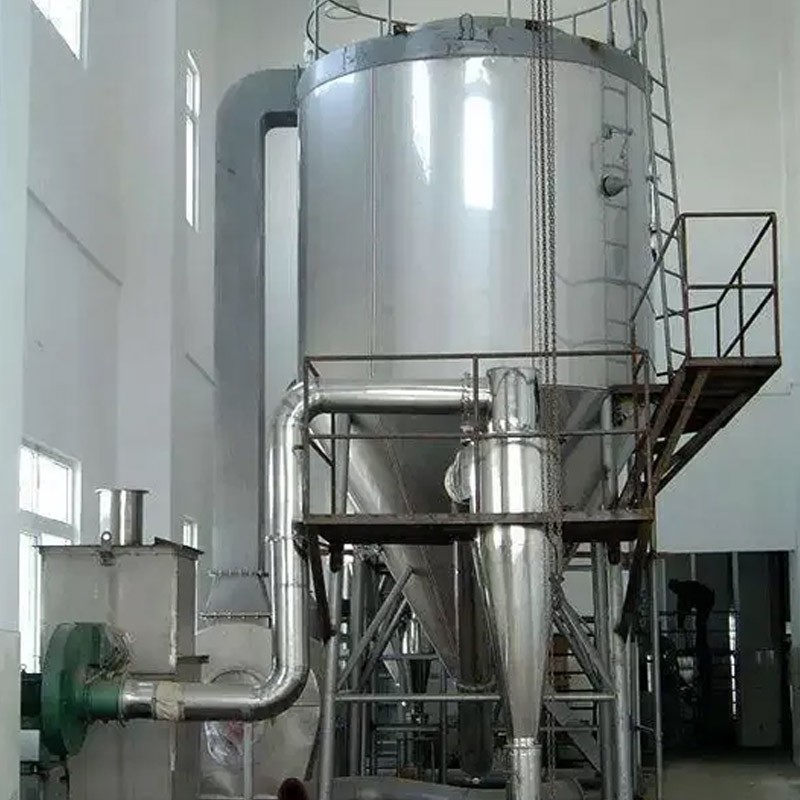
Chinese efficient high-speed spray dryers now set the standard for modern industrial drying. Rotary disc atomization makes fine droplets, so moisture leaves fast and particle size stays even. These systems handle pharmaceuticals, food, chemicals, and biotechnology with equal confidence.
Compliance is no barrier. Leading builders hold CE, ISO9001, and ISO14001 certification, and pricing starts near $16,000 per set. That mix of performance and cost explains why buyers put Chinese industrial drying equipment first in 2026. This article uses real machines, including Shinma's High Speed Centrifugal Sprayer Dryer, to show how a modern spray dryer earns its place on the plant floor.
Key Takeaways
High-speed spray dryers dry materials fast and make even particles.
These dryers are used in many industries, such as pharmaceuticals, food, chemicals, and biotechnology.
Chinese manufacturers meet international rules for quality and the environment.
The dryers save energy and lower running costs by reusing heat and using smart controls.
Buyers get strong performance at a lower price than Western options.
Efficiency of Chinese Efficient High-Speed Spray Dryers
Energy Use and Throughput
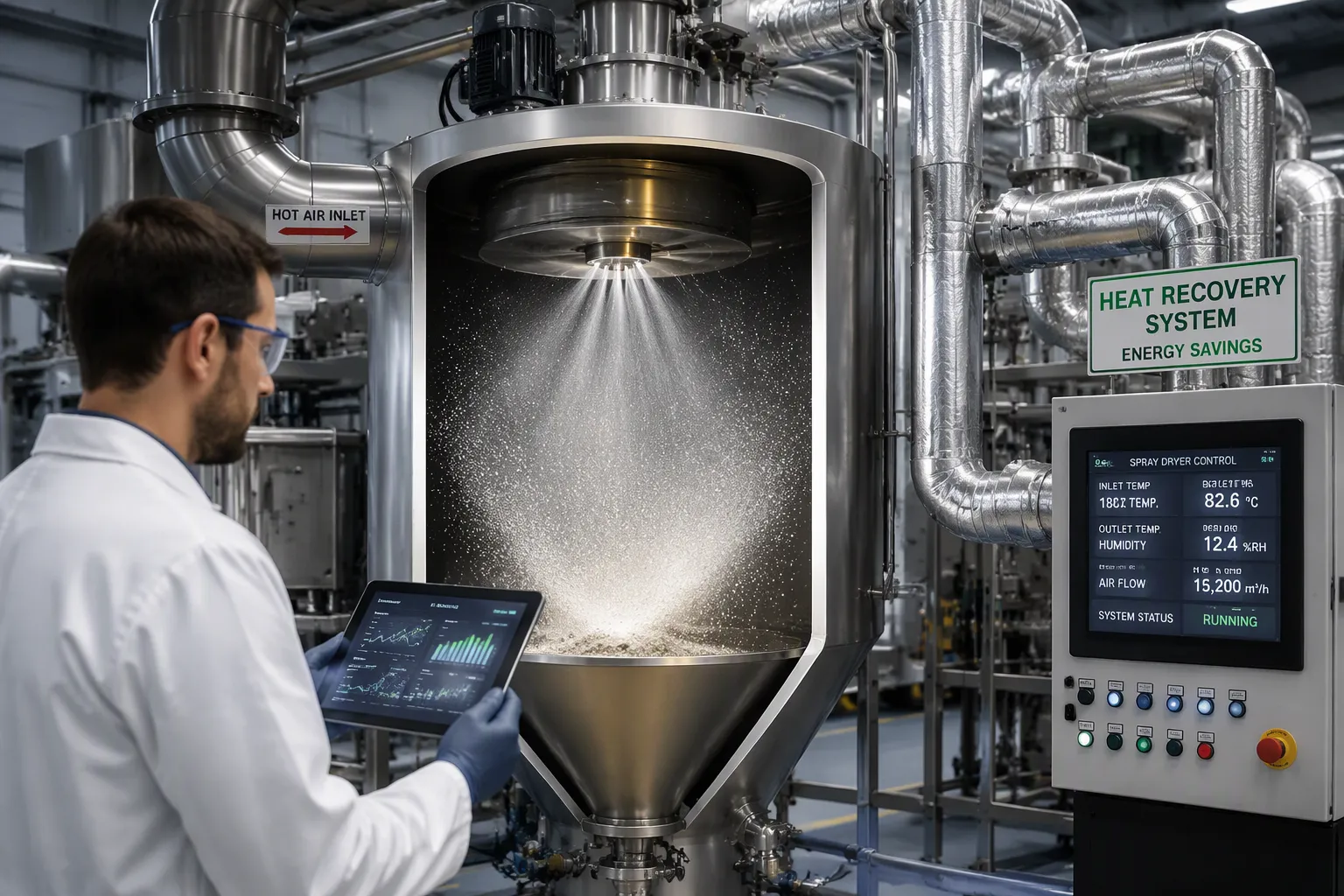
High-speed centrifugal atomization powers the output of modern Chinese spray drying equipment. A rotary disc spinning at high speed cuts liquid feed into a fine mist. The tiny droplets give a huge surface area to the hot air stream. Moisture leaves almost right away, and the dryer turns feed into powder at a high rate per unit of chamber volume.
Integrated heat recovery systems catch exhaust heat that older designs released into the air. PLC controls keep inlet and outlet temperatures within a narrow, repeatable range. This mix cuts thermal waste and lowers the operating cost per unit of evaporation.
Stronger environmental rules are driving demand for energy-saving spray dryers with heat recovery mechanisms and high-efficiency hot air systems. Rules for cutting exhaust gas and improving operating cost are pushing the market.
Chinese manufacturers pair these controls with multi-stage scrubbing and mist removal at discharge points. The result is high overall thermal efficiency across the whole drying line, not just inside the chamber. Buyers looking at industrial spray dryers should note one warning. Real savings depend on the process. Milk powder, dye slurry, ceramic slip, and pharmaceutical solutions act differently, so no fixed savings percentage applies to every case.
Output Quality and Consistency
Uniform droplet size produces uniform particles. High-speed centrifugal spray dryers from Chinese builders deliver steady powder output with a tight particle size distribution. PLC-based automation supports this stability. Accurate temperature control, real-time humidity monitoring, adjustable airflow and atomization, and multi-level safety alarms keep temperature changes within a narrow range. Batch-to-batch consistency gets better, and heat-sensitive products stay protected.
Shinma's High Speed Centrifugal Sprayer Dryer (LPG-50) shows how gentle low-temperature drying keeps bioactivity. The sequence runs as follows:
Centrifugal atomization turns the liquid feed into a fine mist, greatly increasing the material's surface area.
In the hot-air flow, 95%–98% of the water evaporates almost instantly, and drying finishes within only several seconds.
The short drying time suits heat-sensitive materials, and the resulting powder shows good uniformity, flowability, solubility, and high purity.
The product wet-bulb temperature stays near 30–50°C even with hot air present. Evaporative cooling keeps the material cool, and co-current airflow forms a surface shell quickly. Probiotics, enzymes, proteins, and biologics keep their activity through this route. For R&D teams and plant managers alike, the LPG-50 shows why high-performance spray dryers built in China now compete on quality as much as on price. These spray drying machines combine fast moisture removal with repeatable particle properties, and that pairing defines efficiency in industrial drying today.
Versatility Across Spray Dryer Applications
One spray dryer family covers four industries. Chinese spray drying equipment now serves pharmaceuticals, food processing, and chemicals, plus biotechnology. The table below maps the common duties.
Sector | Typical duties |
|---|---|
Pharmaceuticals | API drying, granulation, inhalable powders |
Food | Dairy powders, seasoning, instant beverages |
Chemicals | Catalysts, dyes and pigments, polymers and resins |
Biotechnology | Enzyme stabilization |
The setup matches the job. Open-cycle systems work well for standard powders at high capacity. Closed-cycle units recover solvent and protect material that reacts to oxygen. Semi-closed designs balance cost and containment. Aseptic closed systems meet sterility needs for injectable formulations. GMP spray drying requires full sterilization and safe powder handling.
Food and Pharmaceutical Uses
A food processing dryer handles dairy powders, seasoning, fruit and vegetable dehydration, and instant beverages. A pharmaceutical spray dryer dries APIs, granulates preparations, and processes chinese medicine extract. A chinese traditional medicine extract keeps its bioactivity through short, gentle drying. Buyers in this segment often start small. Laboratory low-temperature units from 1000 ml to 5 kg/h give schools and R&D labs an entry point. The same spray drying equipment scales up later without a process rewrite.
Extract Spray Dryer Manufacturers and Chemical Processing
Extract spray dryer manufacturers tailor systems for heat-sensitive loads. An extract spray dryer runs low inlet temperatures to stop sugary extracts from melting and sticking to the chamber wall. A well-matched extract spray dryer protects yield. Extract spray dryers also serve ceramics, where high-temperature models reach air inlet temperatures up to 350°C. Chinese extract spray dryer manufacturers also build those ceramic lines. An extract spray dryer factory pairs an inert loop with solvent recovery for organic systems. Each extract spray dryer factory builds to the material, not the catalog. The extract spray dryer keeps particle size tight.
Chemical processors rely on the same platforms. Spray dryer manufacturers configure pressure, centrifugal, and closed-cycle options. Leading spray dryer manufacturers also supply lab units for process verification. Extract spray dryer manufacturers ship both from one site. That spray dryer factory in Changzhou, Shinma, covers extracts, ceramics, and catalysts. Extract spray dryers handle catalysts and pigments too. One extract spray dryer covers both duties. The extract spray dryer proves the point: one design, many duties.
Quality Standards and Innovation Among Spray Dryer Manufacturers
R&D and Atomization Technology
Top spray dryer manufacturers in China put a lot of money into research and development. They keep clean labs for checking processes and build patent portfolios that protect their atomization designs. This depth shows how spray dryer manufacturers turn spray drying technology into processes that are repeatable and can be verified. Buyers of spray drying equipment gain from this careful work. Modern spray drying equipment reflects this R&D.
Atomization technology is at the heart of this work. High-speed centrifugal spray dryers depend on rotary disc designs that spin fast and make fine droplets. A centrifugal spray dryer from a skilled spray dryer factory gives tight control of particle size. Extract spray dryer manufacturers use the same R&D care for heat-sensitive loads. An extract spray dryer must protect bioactivity. An extract spray dryer factory tests each formulation before scale-up. These extract spray dryers serve pharmaceuticals and ceramics alike. Each extract spray dryer runs low inlet temperatures to stop sticking. The extract spray dryer keeps particle size tight. Extract spray dryer manufacturers also support a chinese traditional medicine extract with gentle low-temperature profiles. These extract spray dryers also handle catalysts. Leading spray dryer manufacturers build these systems for buyers around the world.
Shinma High Speed Centrifugal Sprayer Dryer and Compliance
Shinma (新马干燥) shows these standards in real use. The company started in 2014 in Changzhou, Jiangsu. It runs two modern manufacturing plants covering 500,000 m², with laser cutting and automatic welding lines. Shinma has delivered thousands of spray drying units, including closed-loop systems. Its certifications include CE, ISO9001, and ISO14001. These marks give buyers proof of compliance with international standards.
The Shinma High Speed Centrifugal Sprayer Dryer brings smart PLC controls to the plant floor. Operators set temperature, airflow, and atomization parameters with precision. Customizable particle size distribution lets one spray dryer serve many products. The design scales up for large-scale production without losing consistency. Shinma ranks among the spray dryer manufacturers that pair certification with scalable high-speed performance.
Cost-Effectiveness and ROI of Chinese Spray Dryers
Pricing and Total Cost of Ownership
Shinma's High Speed Centrifugal Sprayer Dryer gives buyers a clear price to compare against. The LPG-50 model costs between $16,000 and $200,000 per set. Standard delivery takes 60 days, and Shinma supplies up to 20 sets per year. That range covers lab-scale units and full production lines, so a buyer can plan a budget before asking for a quote.
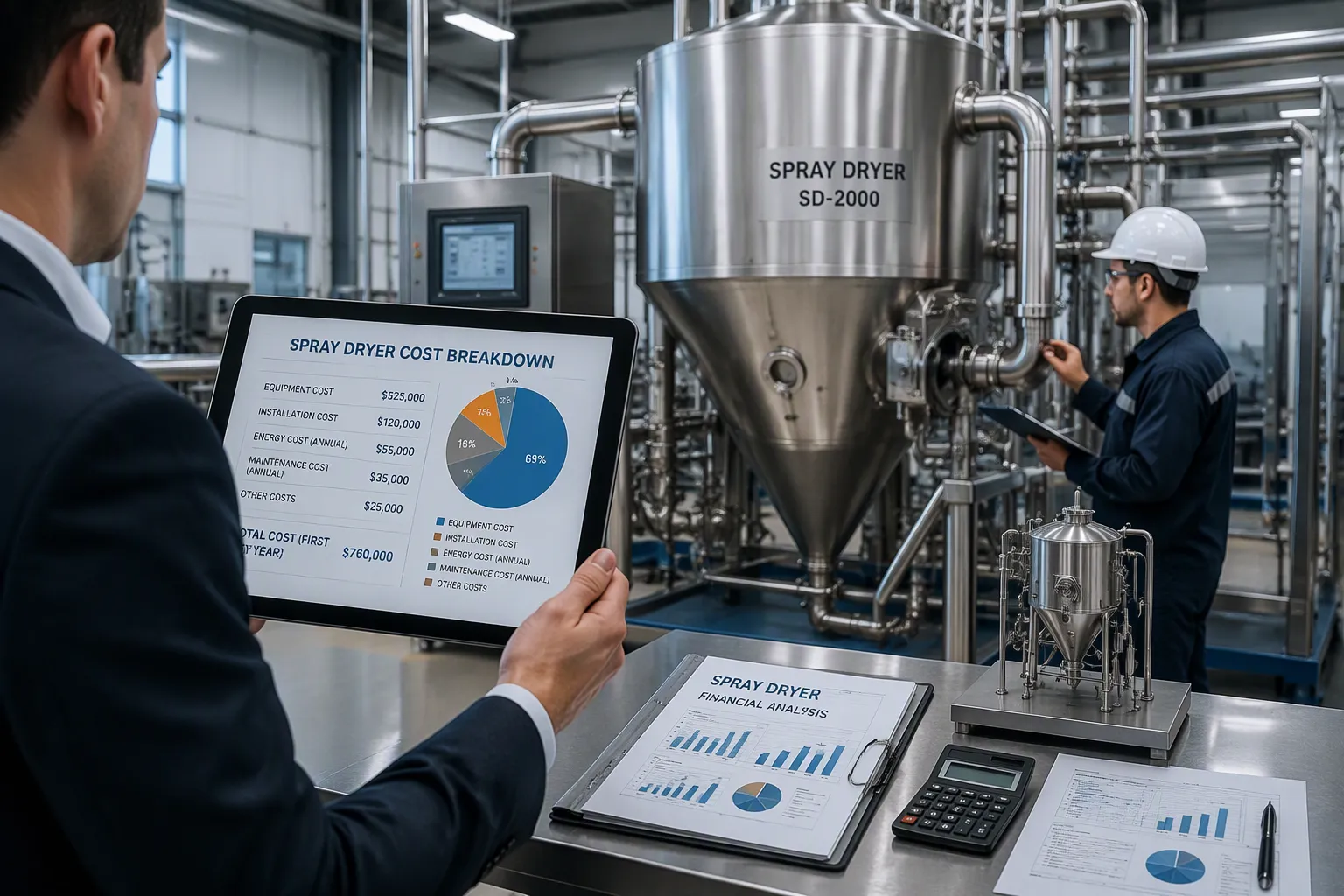
The purchase price is only the first number to think about. Total cost of ownership includes energy, maintenance, spare parts, and service. The table below shows the main factors.
TCO Factor | Detail | Cost or Impact |
|---|---|---|
Heat recovery | Models with heat recovery cut energy use | Lower energy use; higher upfront cost |
Maintenance | Annual service for industrial units | Ongoing service cost |
CIP servicing | Clean-in-place system upkeep | Recurring upkeep cost |
Spare parts | Replacement atomizers or filters | Per-component cost |
Real projects show the payoff. A Haidilao condiment dryer project cut natural gas use by 25% compared with older systems. Jing'an Pharmaceutical saw a 40% drop in maintenance costs after switching to a fluidized dryer with strong seals and wear-resistant materials. Installation support and setup often come with the quoted price for medium and high-capacity units. Full training and remote diagnostics also cut unexpected downtime.
The first purchase price is not the only price you pay. Buyers should also count maintenance costs, energy use, and spare part needs. They should ask for a detailed cost breakdown plus any service contracts or maintenance agreements to lower total cost of ownership and figure out ROI.
Performance-to-Cost Comparison
Chinese spray dryer manufacturers compete on the performance you get for each dollar. Stainless steel or titanium construction and smart controls raise the upfront price, but they make the machine last longer and use less energy. Certifications also change the cost. CE is basic, ISO 9001 is the base level, and FDA sits at the advanced end with a much higher price.
European and American alternatives still fit certain jobs well. They suit buyers who need special niche needs or very high-volume turnkey projects with deep local engineering support. China's spray dryers fit best where a proven high-efficiency spray dryer solution must balance capability and budget. Many spray dryer suppliers now ship turnkey spray drying equipment worldwide, and that global service base supports long-term ROI.
Capacity matters too. Larger machines with two-stage or multi-stage drying lower the per-batch cost over time. An extract spray dryer factory can tailor controls and safety parts for a specific extract, and that fit improves reliability. Buyers comparing an extract spray dryer against imported options should weigh the full lifecycle, not just the invoice. A spray dryer factory that includes setup and training protects the investment from day one. For industrial drying budgets in 2026, the math favors systems that pair a moderate upfront cost with low running costs.
Environmental Features of High Speed Centrifugal Spray Dryer Systems
Emissions and Energy Recovery
A high speed centrifugal spray dryer controls emissions at several points along the exhaust path. A cyclone separator recovers dry material from the output. A two-stage cyclone separator raises that recovery rate, which boosts dry powder yield and cuts material lost to the stack. A wet dust collector, or vertical water scrubber, then catches the remaining fines. Dusty gas enters at an angle, and centrifugal force pushes particles onto a water film on the cylinder wall. The scrubber's dust removal efficiency runs far above a dry cyclone, so exhaust emissions meet comprehensive atmospheric pollutant emission standards.
Waste heat recovery completes the picture. These systems recycle exhaust air heat and save energy, with high thermal efficiency and tight temperature control accuracy. Exhaust gas treatment devices handle local dust limits and control odor when a process needs it. The design also lowers outlet temperatures by giving material the best residence time without shrinking system sizing.
Sustainable Design and Operation
Heating mode shapes the footprint of any spray dryer. Electric, steam, and natural gas options each fit different site conditions and local energy prices. High-speed centrifugal spray dryers with well-matched heating and heat recovery cut both fuel draw and stack load. ISO14001 certification gives buyers written proof of an environmental management system behind the spray drying equipment.
Sustainability is a shared direction across manufacturers, not a claim held by one builder. Chinese systems stand out on efficiency-to-footprint ratio: compact chambers, recovered heat, and scrubbed exhaust deliver strong output per unit of energy and floor space. Buyers checking spray drying equipment in 2026 can treat these features as baseline expectations rather than extras.
Chinese efficient high-speed spray dryers answer the main questions about performance, fit, compliance, and cost. Five benefits stand out:
Speed shortens drying time and speeds up turnaround.
Quality keeps material integrity and gives even output.
Versatility covers powders, liquids, and many industries.
Cost efficiency lowers energy use and operating expense.
Environmental design cuts waste and energy draw.
These traits fit modern industrial needs in 2026. Certification such as CE, ISO9001, and ISO14001 supports compliance. A buyer can evaluate Shinma's High Speed Centrifugal Sprayer Dryer as one representative spray dryer and compare it against plant requirements.
FAQ
What industries use a high-speed centrifugal spray dryer?
Pharmaceuticals, food, chemicals, and biotechnology all depend on this equipment. A spray dryer handles API drying, dairy powders, seasoning, instant beverages, catalysts, dyes, pigments, polymers, and enzymes. Extract spray dryers also work for ceramics and traditional Chinese medicine extracts. Shinma's LPG-50 does all these jobs with one platform.
Which configurations are available?
Buyers can pick from open-cycle, closed-cycle, and semi-closed systems. Open-cycle units work well for standard powders at high capacity. Closed-cycle designs recover solvent and protect material that reacts to oxygen. Semi-closed systems balance cost and containment. A spray dryer factory adjusts each setup to capacity, GMP hygiene, and automation needs.
How does the system save energy?
Integrated heat recovery catches exhaust heat that older designs let escape. PLC controls keep inlet and outlet temperatures within a narrow range. Multi-stage scrubbing and mist removal keep thermal efficiency high across the whole line. An extract spray dryer with these features lowers the operating cost per unit of evaporation.
What is the price and delivery time?
Shinma's High Speed Centrifugal Sprayer Dryer costs from $16,000 to $200,000 per set. Standard delivery takes 60 days, and supply capacity reaches 20 sets per year. Laboratory units from 1000 ml to 5 kg/h give schools and R&D labs an affordable way to start. An extract spray dryer at production scale costs more, but it scales up without a process rewrite.


